

Sustainable development
horizont
At horizont, we place great importance on ensuring that both our processes and our products are sustainable. In the past, we have already carried out a number of projects that contribute to environmental protection, which are presented on this page. In the future, horizont will continue to actively promote sustainability within the company and constantly optimize our processes and products in this regard.
Our Green Line
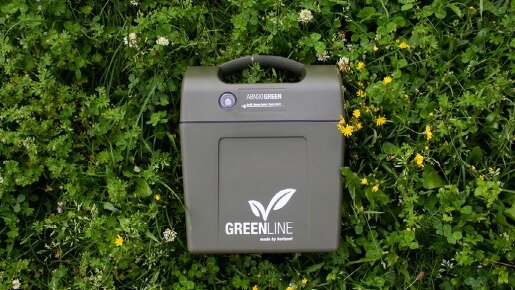
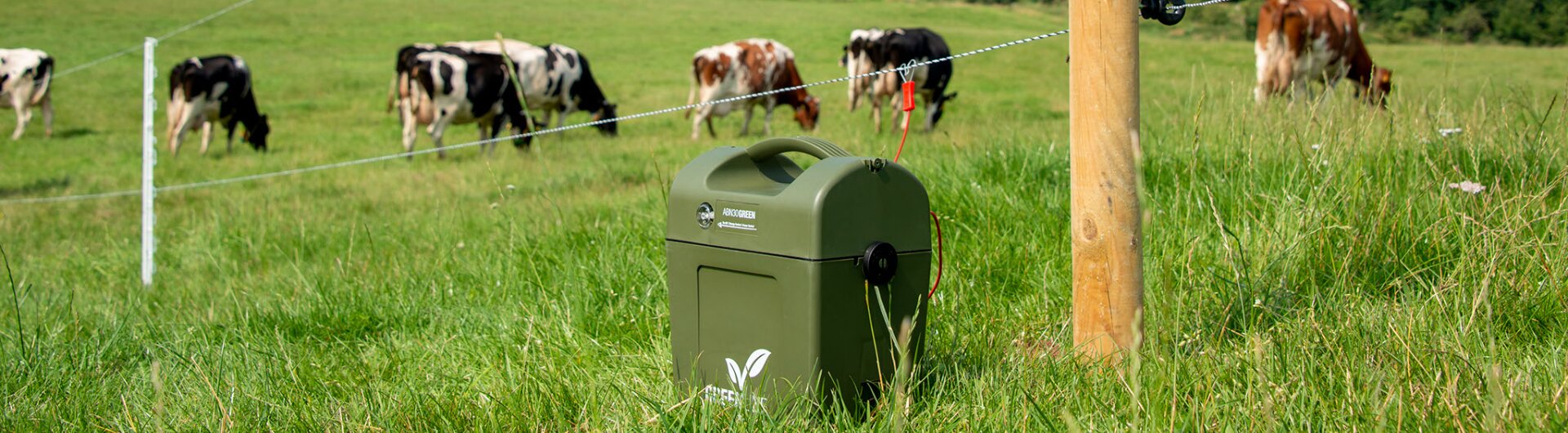
Thanks to a climate-neutral plastic made from renewable raw materials, we have successfully launched the world’s first bio-based fencing system for pastures. With our new Greenline product line, we are focusing on a forward-looking and environmentally friendly product range.
Combined Heat and Power Plant
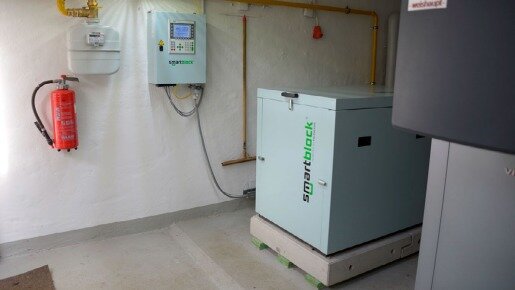
We rely on combined heat and power generation to supply our buildings with energy. In addition to the required heat, our CHP plant also generates up to 150,000 kWh of electricity annually. High-efficiency pumps also distribute heat optimally throughout the building.
Photovoltaic system
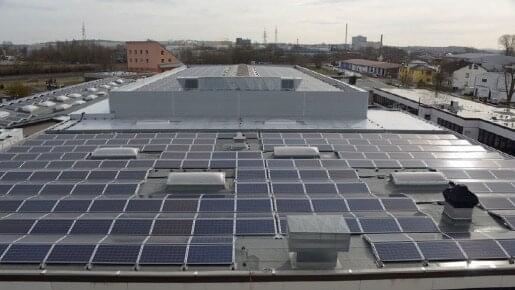
Using a photovoltaic system covering an area of approximately 4,500 square meters, we generate about 50% of our total electricity needs ourselves, up to 700 kWh. Thanks to a strategic change in our energy supply contracts, the remaining amount is covered by green electricity.
Lead-free components and in-house recycling
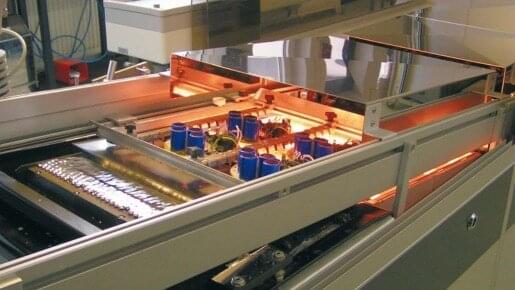
In accordance with the European Directive, Horizont uses only components, materials, and auxiliary materials that comply with the RoHS Directive (lead-free) in its procurement and manufacturing processes. Since 2005, we have also been using lead-free solder for soldering printed circuit boards. Horizont electric fences are manufactured from various plastics, which are typically colored with paints that do not contain lead or cadmium. The housing parts of our devices are marked with the material, allowing plastic parts to be separated by type for disposal. Our own plastic “waste” is ground up and reused for in-house injection molding without any significant loss of quality.
Disposal and recycling of electrical equipment
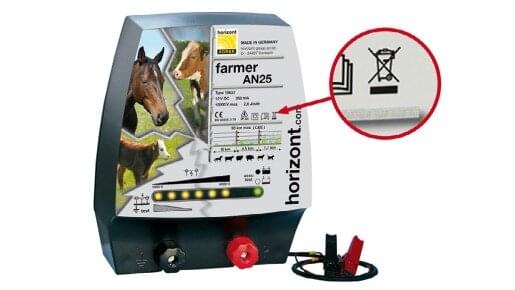
The “crossed-out wheelie bin” symbol on the product or its packaging indicates that it must not be disposed of with regular household waste. The product must be taken to an appropriate collection point for waste electrical and electronic equipment. Batteries and rechargeable batteries must be removed beforehand and disposed of separately. For more detailed information on how to dispose of this device, please contact your local authorities, a regional waste recycling center, or the specialty retailer from whom you purchased this device.
Battery recycling and disposal
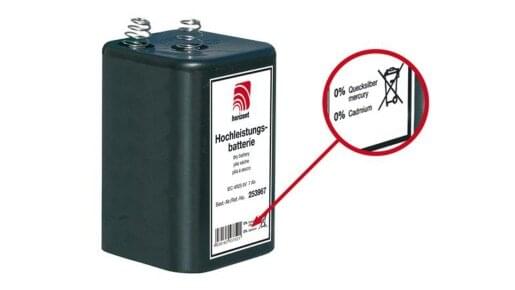
Battery recycling refers to the recycling of batteries. In accordance with European Directive 2006/66/EC (BATTERY), consumers are required to return used batteries, and retailers, public waste management organizations, manufacturers, and importers are required to accept them. Dry batteries for electric gardening equipment supplied by Horizont do not contain lead or cadmium and are recyclable: zinc-carbon, zinc-air, and alkaline-manganese batteries contain significant amounts of zinc, which is the primary target for recycling these batteries.
Use of renewable raw materials

horizont is constantly seeking new ways to make production processes, raw materials, and ultimately products more sustainable. For several years, the company has been working on ways to use wood-based materials in combination with plastics. As part of a joint project with the University of Kassel, horizont is also developing a special, highly impact-resistant, bio-based plastic by adding natural fibers (regenerated cellulose fibers).
Heat recovery from the compressor system
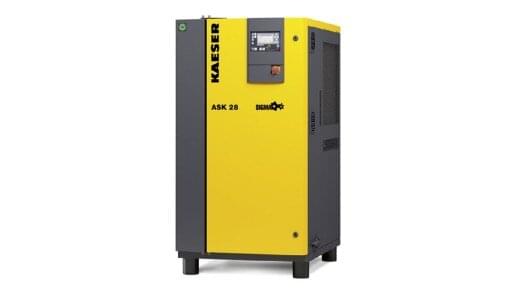
One of the most important forms of energy at our production facility is compressed air. Here, too, the main focus has been on maximizing efficiency. The use of a modern heat recovery system has significantly increased efficiency.
LED Technology
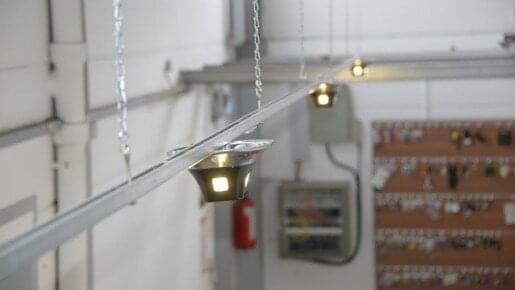
The entire lighting system at our main plant in Korbach has been replaced with modern LED lighting. This has already resulted in a significant 40% reduction in energy costs.