

Protecting Endangered Bird Species – Conservation of Breeding Grounds in the Middle Vistula Valley
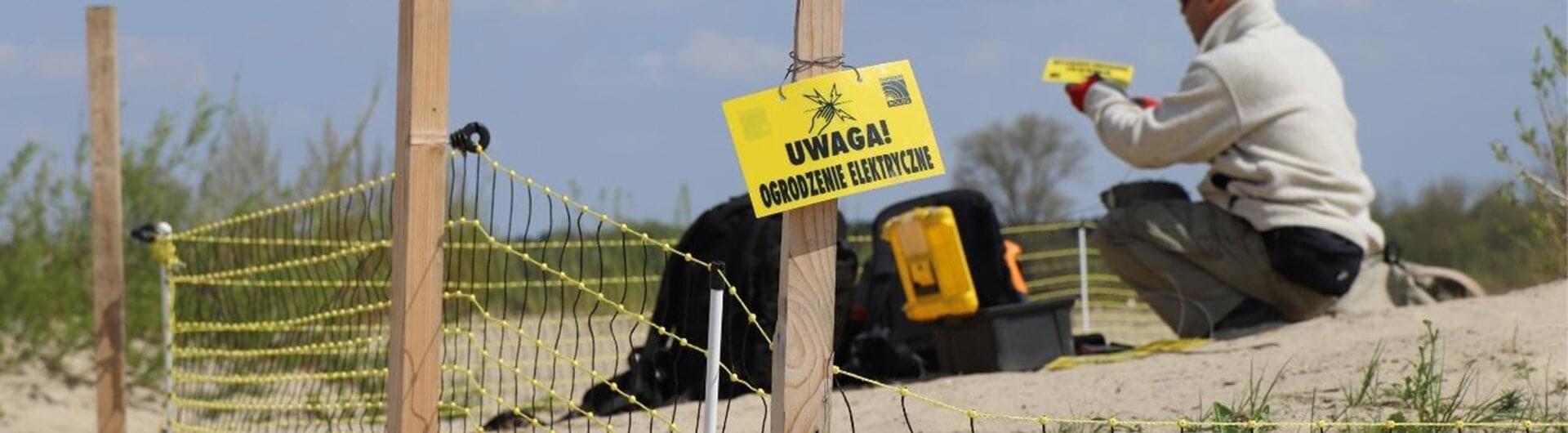
Our electric fences are one of the solutions implemented as part of a project aimed at protecting endangered bird species that nest in the Middle Vistula Valley. This initiative is being carried out by the Institute of Biological Sciences at UKSW and the Center for Ecology and Eco-Philosophy at UKSW, in response to the declining populations of several valuable bird species.
The project actively protects species such as the common gull (Larus canus), the Mediterranean gull (Ichthyaetus melanocephalus), the little tern (Sternula albifrons), and the oystercatcher (Haematopus ostralegus). Additionally, birds that have experienced a significant decline in population over the past two decades are being protected, such as the black-headed gull (Chroicocephalus ridibundus) and the common tern (Sterna hirundo). These birds have taken a particular liking to the islands, sandy shoals in the Vistula riverbed, and steep banks—areas where humans have not interfered.
The project covers an 86-kilometer stretch of the Vistula between Puławy and the mouth of the Pilica River, located in the southern and central parts of the Natura 2000 site (Lublin and Masovian provinces). This is an area where over 160 bird species have been recorded, but it is the species mentioned above that face the greatest challenges to survival.
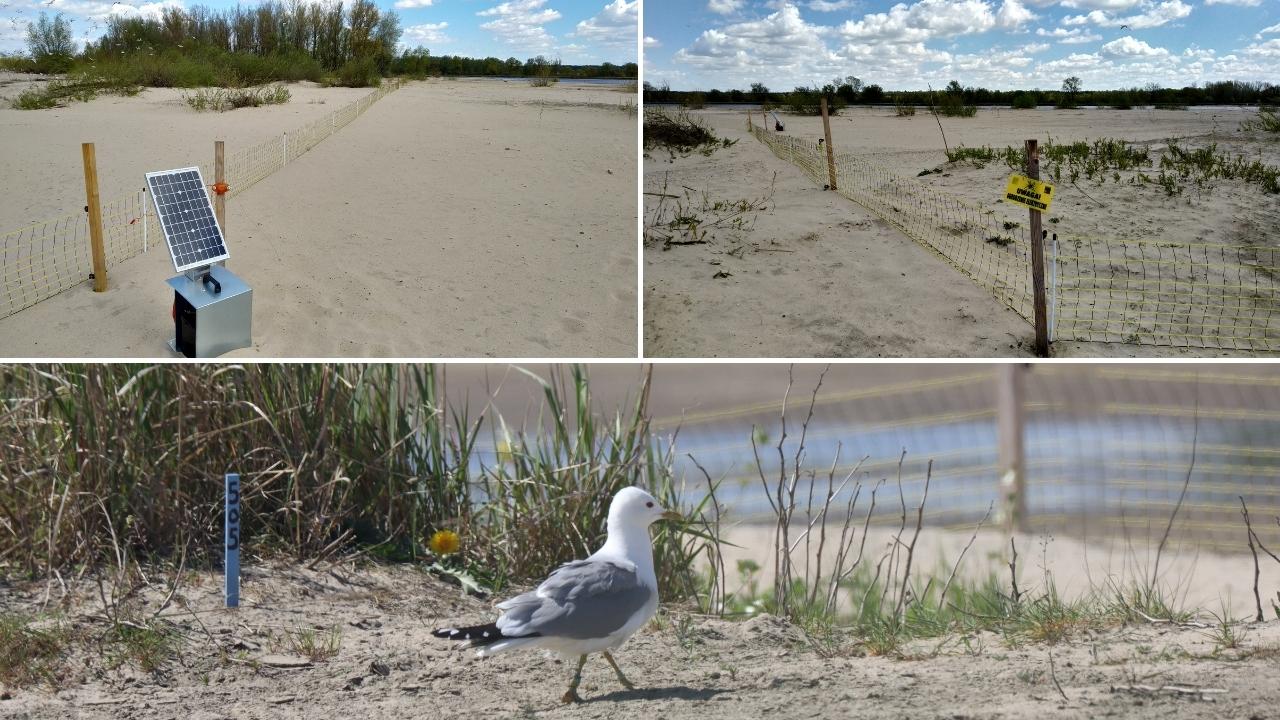
However, the Middle Vistula Valley is not free of predatory mammals, which lead to high bird mortality and failed breeding. This is precisely why our electric fences are a key solution designed to deter terrestrial predators, humans, and livestock from bird breeding grounds. Thanks to this, chicks have a chance to survive, and once they reach sexual maturity (2–4 years), they can return to their hatching sites on the Vistula, continuing the breeding cycle.
The fences were purchased as part of the project “Active protection of endangered shorebird species on the Vistula islands: implementation of selected conservation tasks in the OSOP Middle Vistula Valley PLB140004 area,” carried out under the “Environment, Energy, and Climate Change” Program of the EEA Financial Mechanism 2014–2021. This is a step toward protecting our biodiversity and supporting endangered species, which now have a chance at better living and nesting conditions.
source: ochronaptakowwisly.edu.pl