

Wolves and Livestock Protection – How to Prevent Attacks?
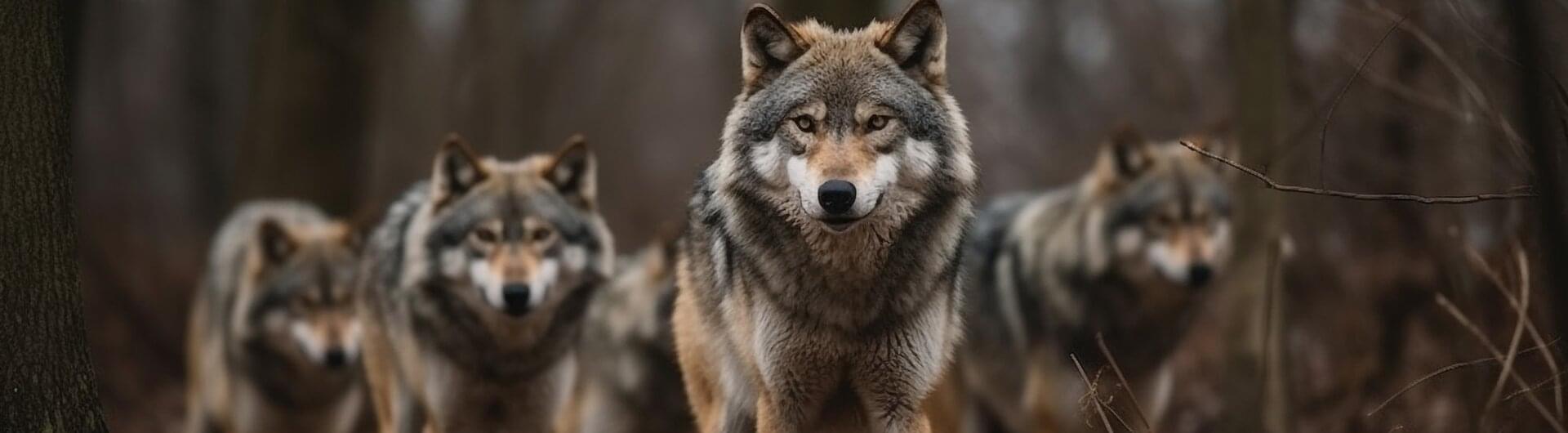
In recent years, the number of wolf attacks on livestock in Poland has been rising, particularly among sheep. This problem affects not only our country but also other regions of Europe. Although wolves naturally avoid humans, they can pose a threat when their territories overlap with areas of human activity.
Discussion on the wolf’s status in the EU
As European Commission President Ursula von der Leyen emphasizes, wolves have become a real threat in some regions. The European Commission has launched consultations on the species’ population in Europe, considering a possible change in the wolf’s conservation status.
Coexistence of humans and wolves
Dr. Joanna Charmuszkiewicz notes that wolves are often perceived as a threat, even though most of them avoid humans. It is we, by settling closer and closer to forests, who are encroaching on their natural habitat. The key is to find a balance so that wolves can thrive in their natural habitat while livestock remain safe.
Solutions for farms
Effective protection against wolf attacks includes:
- Sheepdogs, which have guarded flocks for centuries.
- Electric fences, providing an effective barrier.
- Wire mesh fences and scarecrows, which deter predators.
By ensuring proper safeguards, we can achieve a balance—“the wolf is fed and the sheep are safe.”
You can read more about the consultation on wolf conservation in the EU here.